
When buyers search for “What temperature does a color changing mug activate?”, they are usually not just curious — they are evaluating product performance, safety, and suitability for real use.
As a professional color changing cup manufacturer, we receive this question from brand owners, promotional companies, and wholesale buyers almost every week.
In this article, we will explain exact activation temperatures, technical reasons, customization options, and common misunderstandings, all from a factory and OEM perspective.
1. Standard Activation Temperature of a Color Changing Mug
Most color changing mugs activate when the surface temperature reaches:
45°C – 60°C (113°F – 140°F)
This temperature range is carefully selected by manufacturers for three key reasons:
It matches the temperature of common hot drinks
It is safe for daily use
It provides a clear and visible color-changing effect
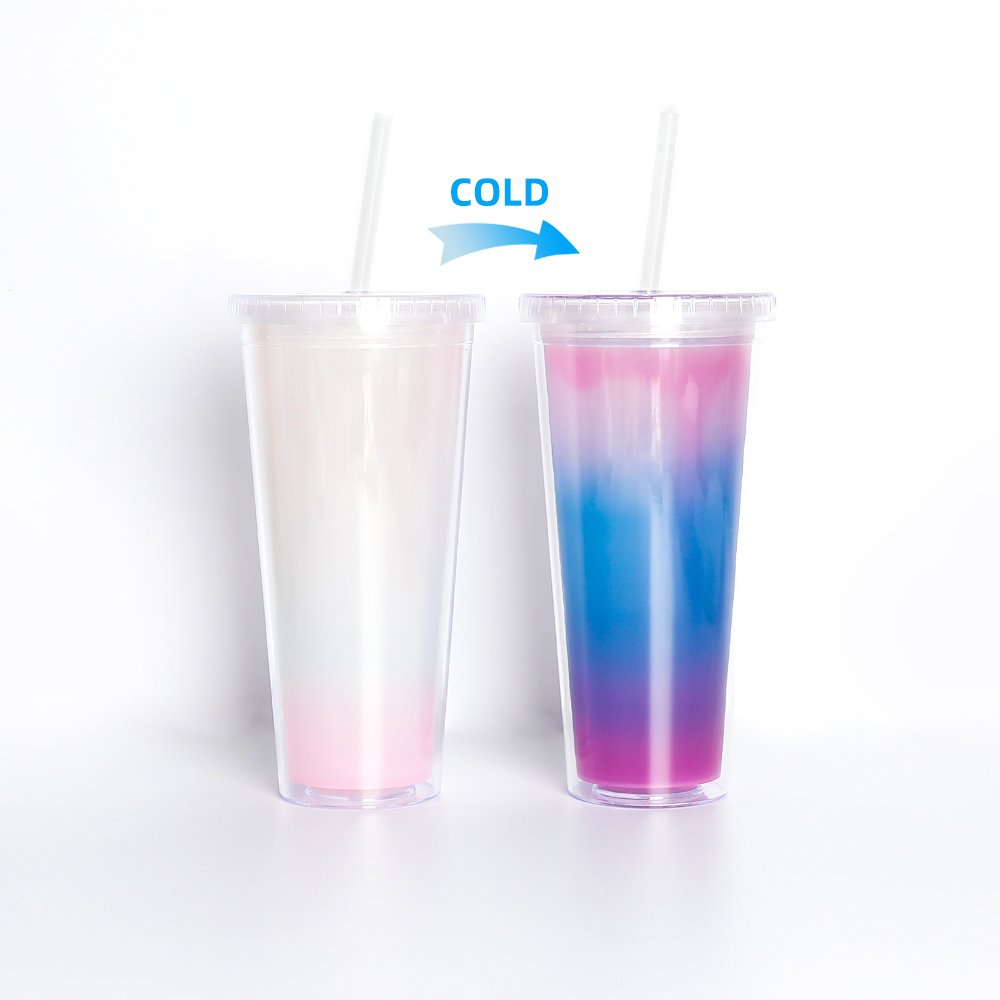
Once the mug surface reaches this range, the thermochromic coating begins to change color or becomes transparent, revealing the hidden design underneath.
2. Why 45–60°C Is the Industry Standard
From a manufacturing standpoint, activation temperature is not random. It is a balance between visual effect, safety, and durability.
Safe for Consumers
Most hot beverages such as coffee and tea are served between 60–85°C, but the outer surface of the mug cools slightly after pouring.
An activation point at 45–60°C ensures:
No accidental activation at room temperature
Safe handling without burning risk
Stable Color Change
Lower activation temperatures may cause:
Premature fading
Unstable color transitions
Shorter lifespan of the coating
That is why professional factories rarely recommend activation below 45°C.
3. How Activation Temperature Works on the Mug Surface
It is important to understand thatThe activation temperature refers to the cup’s surface temperature, not the liquid temperature.
The process works like this:
Hot liquid is poured into the mug
Heat transfers through the mug wall
The thermochromic coating reacts to surface temperature
The color change appears gradually
This is why different materials (ceramic, glass, plastic) may show slightly different response speeds, even with the same liquid.
4. Can Activation Temperature Be Customized?
Yes. Activation temperature can be customized for OEM orders.
As a factory, we can adjust the thermochromic pigment to activate at different temperature points, such as:
| Activation Level | Pros | Cons |
|---|---|---|
| Low (35–40°C) | Faster reaction | Shorter lifespan |
| Standard (45–60°C) | Best stability | Most common |
| High (65°C+) | Clear contrast | Slower reaction |
For promotional and retail products, we strongly recommend the standard range for best performance and durability.
5. Does Activation Temperature Affect Lifespan?
Yes — activation temperature directly affects product lifespan.
Lower activation temperatures mean:
More frequent activation
Higher molecular stress
Faster fading over time
Under normal use and proper care, a standard color changing mug can last:
1–3 years
Thousands of heating cycles
This is why experienced manufacturers prioritize stability over extreme sensitivity.
6. Differences by Material Type
Activation temperature remains similar, but heat transfer speed differs by material:
Ceramic Color Changing Mugs
Most stable
Even heat distribution
Best for long-term use
Glass Color Changing Cups
Faster visual effect
Higher-end appearance
Requires precise coating control
Plastic Color Changing Cups
Lighter
Faster cooling
Often used for promotions and events
7. Common Buyer Misunderstandings
“Hotter means better color change”
Not true. Excessively high temperatures may damage the coating.
“Cold water can trigger the effect”
Standard color changing mugs are heat-sensitive, not cold-sensitive.
“Activation temperature is the same as boiling point”
Activation is designed for safe drinking temperatures, not boiling water.
8. Recommended Activation Temperature for B2B Buyers
From a manufacturer’s perspective:
Promotional mugs: 45–55°C
Retail / brand mugs: 50–60°C
Special projects: Custom by request
This range ensures:
Clear visual effect
Stable quality
Lower after-sales risk
9. How to Test Activation Temperature Correctly
For quality inspection, factories usually test by:
Pouring hot water at known temperature
Measuring surface response
Observing color clarity and recovery
We recommend hand washing only, as dishwashers may shorten the lifespan of the coating.
10. Final Thoughts from the Manufacturer
Understanding activation temperature helps buyers:
Choose the right product
Avoid quality issues
Improve user experience
As a professional color changing cup manufacturer, we recommend the 45–60°C activation range for most OEM and wholesale projects due to its balance of performance, safety, and durability.
Need Custom Activation Temperature?
If you are looking for:
Custom activation temperature
Wholesale manufacturing solutions
Contact us to discuss your project requirements.
We provide factory-direct support for global brands, promotional companies, and distributors.
