
Color changing technology is no longer limited to one single product. Today, it can be applied to many types of drinkware, depending on material, structure, and usage scenario.
For B2B buyers, brand owners, and wholesalers, understanding what types of cups can be made color changing is essential for selecting the right product for different markets.
As a professional color changing cup manufacturer, we will break down all major cup types, their features, and recommended applications.
1. Ceramic Color Changing Mugs
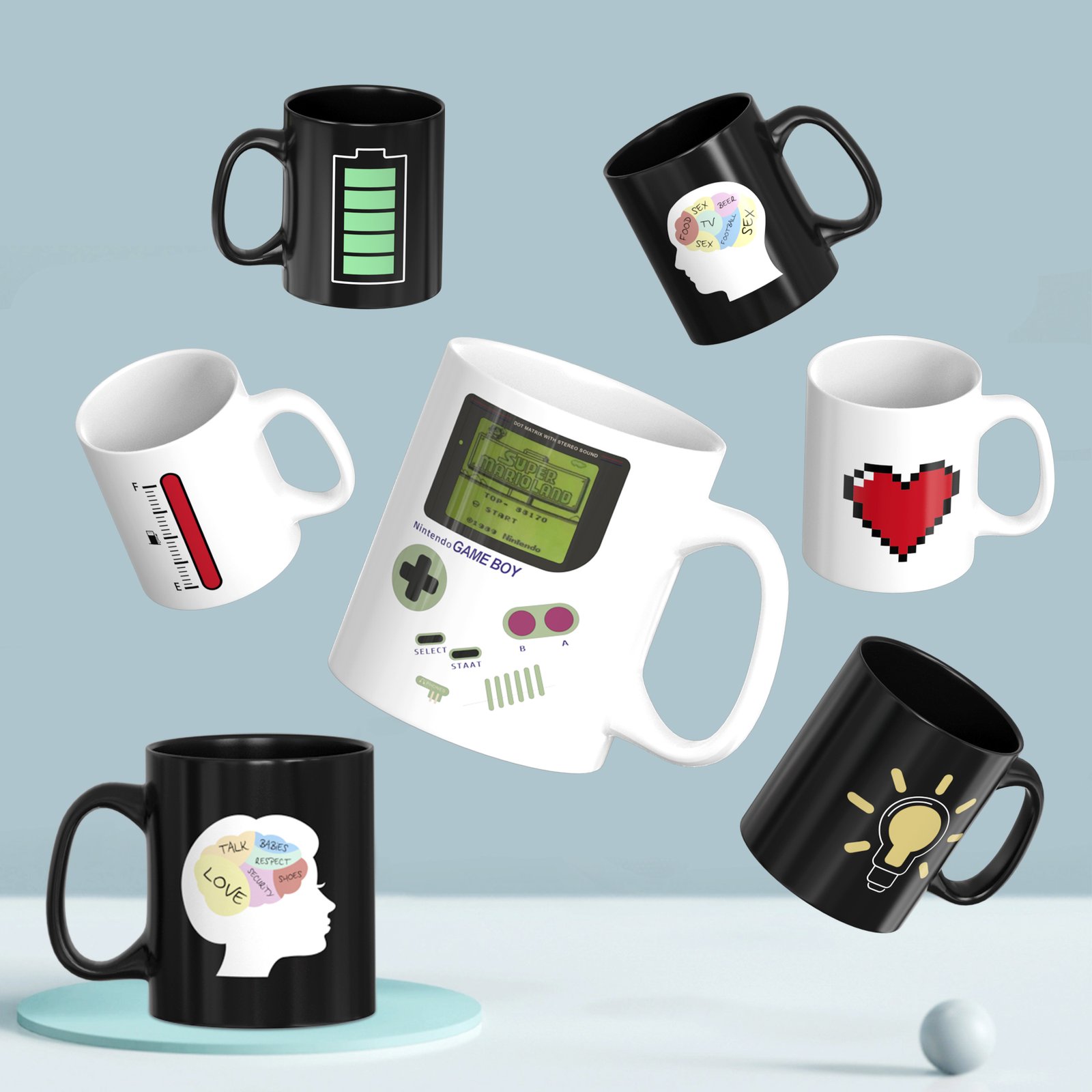
Ceramic mugs are the most popular and widely used color changing cups.
Key Features:
Excellent heat resistance
Stable color change
Long lifespan
Ideal for hot drinks
Common Uses:
Coffee mugs
Office drinkware
Retail gift products
Why Manufacturers Recommend Ceramic:
Ceramic provides even heat distribution, which allows the thermochromic coating to activate smoothly and consistently.
Best choice for brands and long-term retail programs
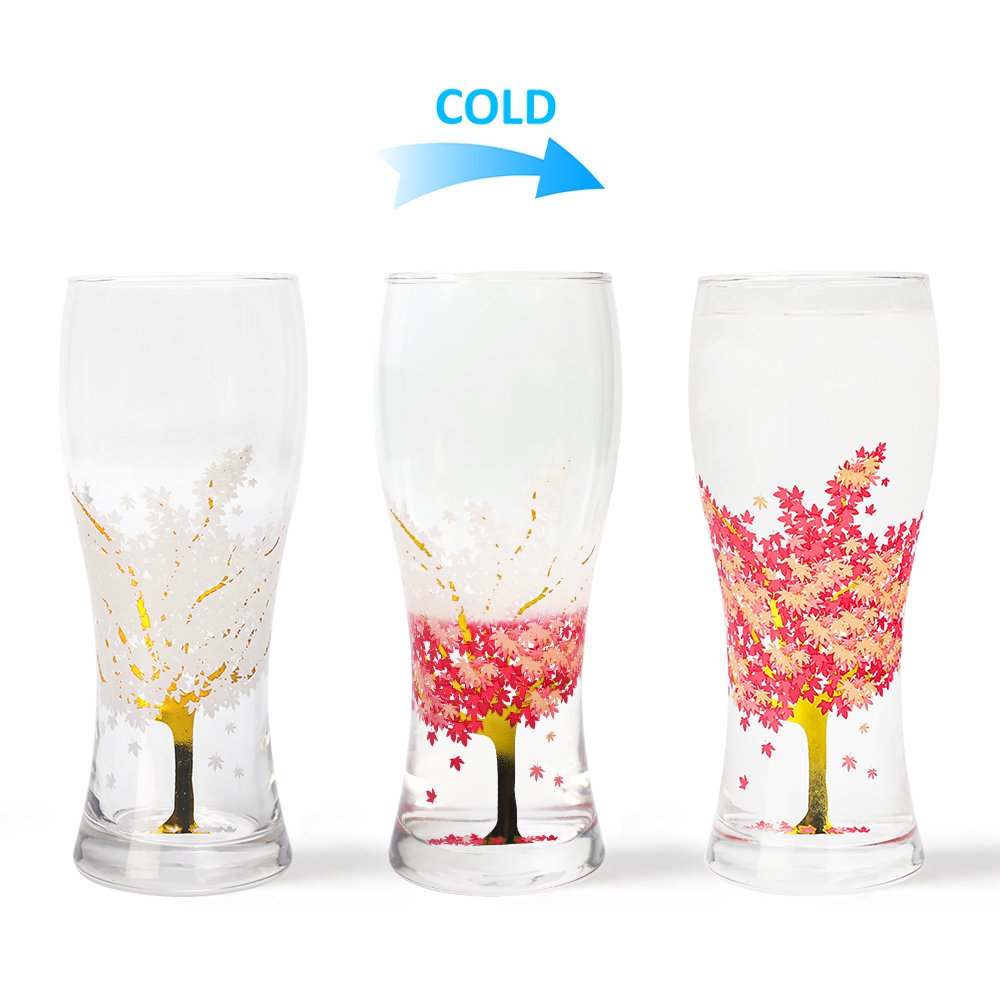
Glass color changing cups offer a premium and modern appearance.
Key Features:
Clear or frosted glass options
Faster visual color transition
High-end presentation
Common Types:
Color changing glass mugs
Double wall glass cups
Tea and beverage glasses
Manufacturing Notes:
Heat-resistant glass is required to avoid cracking during temperature changes.
Popular for premium promotions and gift sets
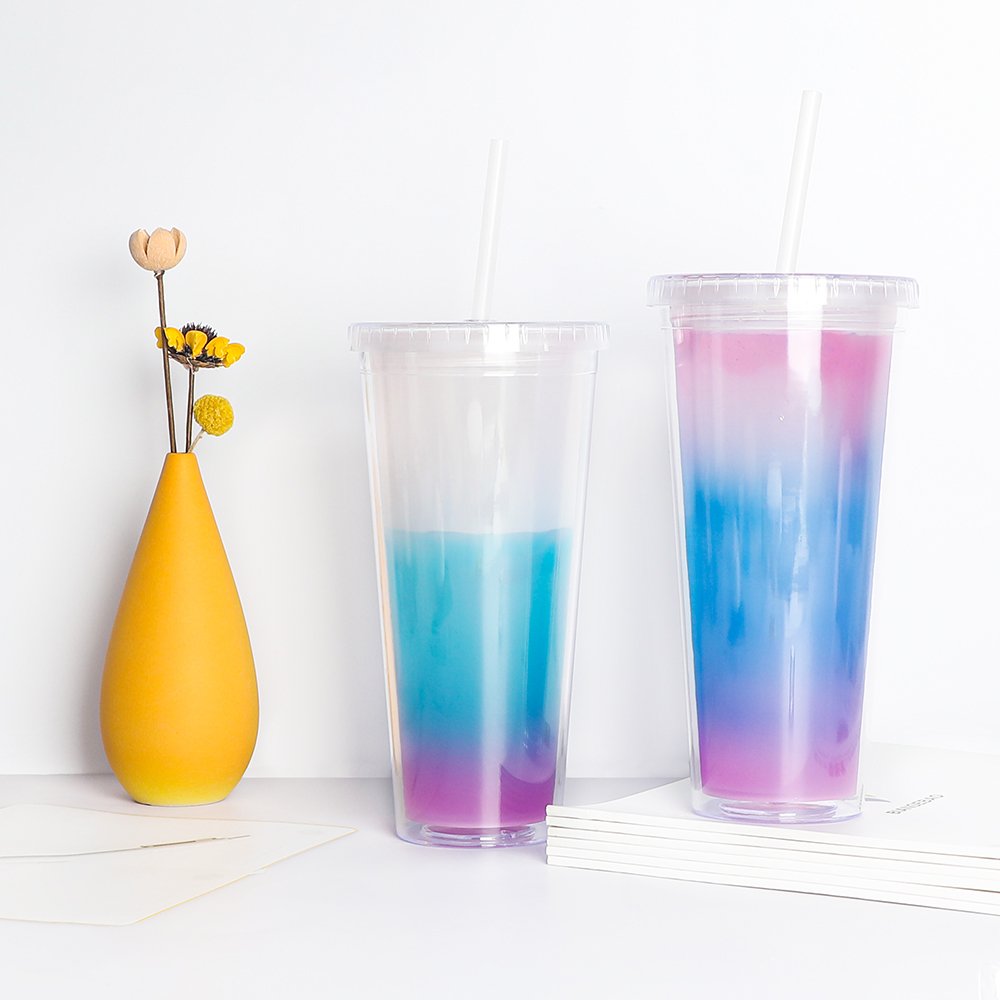
3. Plastic Color Changing Cups
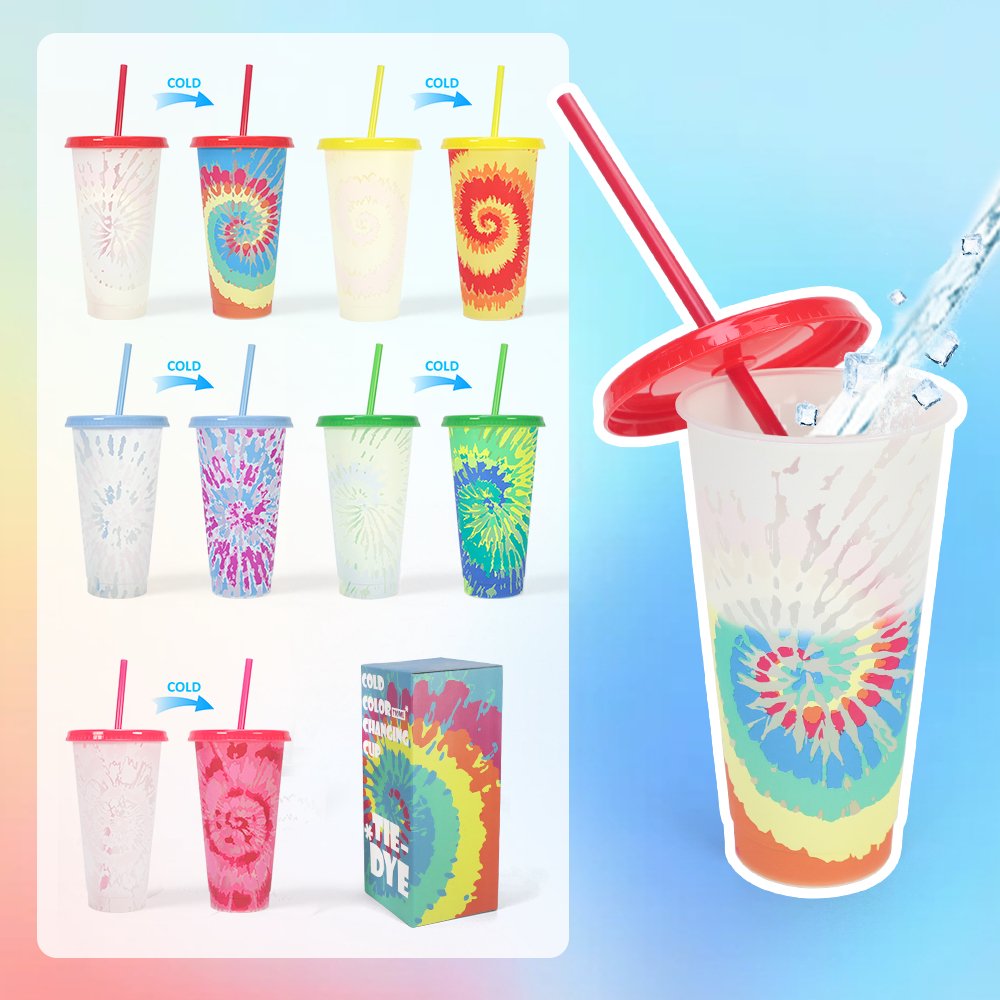
Plastic cups are lightweight, cost-effective, and highly customizable.
Common Materials:
PP (Polypropylene)
Food-grade plastic
Common Types:
Color changing plastic cups
Stadium cups
Reusable party cups
Typical Applications:
Events and festivals
Promotional giveaways
Outdoor campaigns
Best for large-volume promotional orders
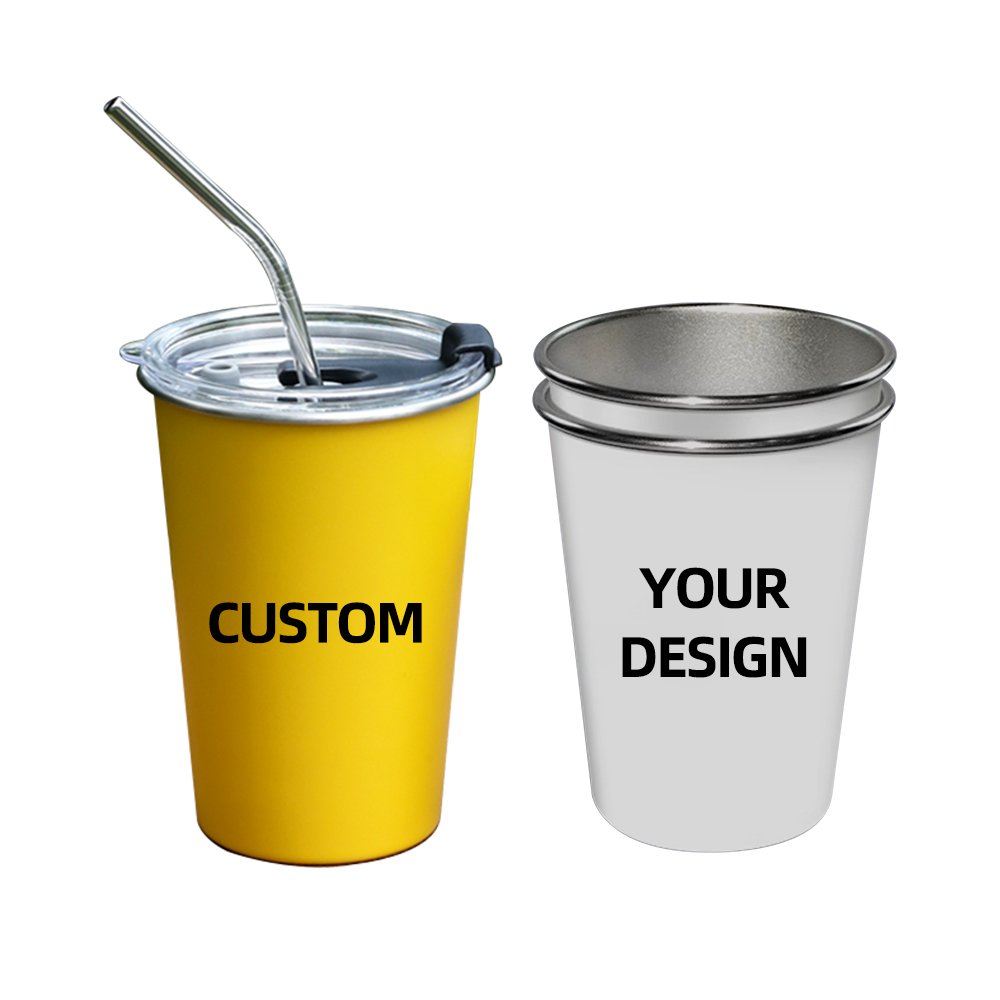
4. Stainless Steel & Metal Cups
Metal cups can be made color changing, but with technical limitations.
Key Characteristics:
Color change appears on coated outer layer
Slower reaction due to insulation
Higher production cost
Typical Products:
Travel mugs
Tumblers
Insulated drinkware
Suitable for custom or premium OEM projects
5. Color Changing Tumblers
Tumblers are widely used in:
Coffee chains
Beverage brands
Travel drinkware
Features:
Large capacity
Lid compatibility
Multi-color change options
Manufacturers often combine:
Plastic inner structure
Thermochromic outer layer
Ideal for lifestyle and promotional markets
6. Color Changing Cups with Lids & Straws
Structural upgrades expand product functionality.
Common Variations:
Cups with PP lids
Straw cups
Sports drink cups
Advantages:
Better spill control
Popular with younger consumers
Suitable for cold-to-warm beverages
Strong demand in the promotional market
7. Double Wall Color Changing Cups
Double wall designs enhance both appearance and insulation.
Benefits:
Slower heat transfer
Unique visual depth
Reduced hand heat
Common Materials:
Double wall glass
Double wall plastic
Used for premium branding and gifts
8. Seasonal & Holiday Color Changing Cups
Special designs are often used for:
Christmas
Halloween
Valentine’s Day
Promotional seasons
Common Cup Types:
Magic mugs
Holiday theme mugs
Limited edition designs
Perfect for seasonal product launches
9. Custom-Shaped Color Changing Cups
Manufacturers can develop:
Unique cup shapes
Character mugs
Branded structural designs
Notes:
Requires mold development
Higher MOQ
Longer lead time
| Cup Type | Best For | OEM Suitability |
|---|---|---|
| Ceramic Mug | Hot drinks | ⭐⭐⭐⭐⭐ |
| Glass Cup | Premium gifts | ⭐⭐⭐⭐ |
| Plastic Cup | Promotions | ⭐⭐⭐⭐⭐ |
| Tumbler | Lifestyle brands | ⭐⭐⭐⭐ |
| Metal Cup | Travel use | ⭐⭐⭐ |
| Double Wall Cup | High-end retail | ⭐⭐⭐⭐ |
Final Thoughts from the Manufacturer
Color changing technology can be applied to a wide range of cup types, but the best choice depends on usage scenario, budget, and branding goals.
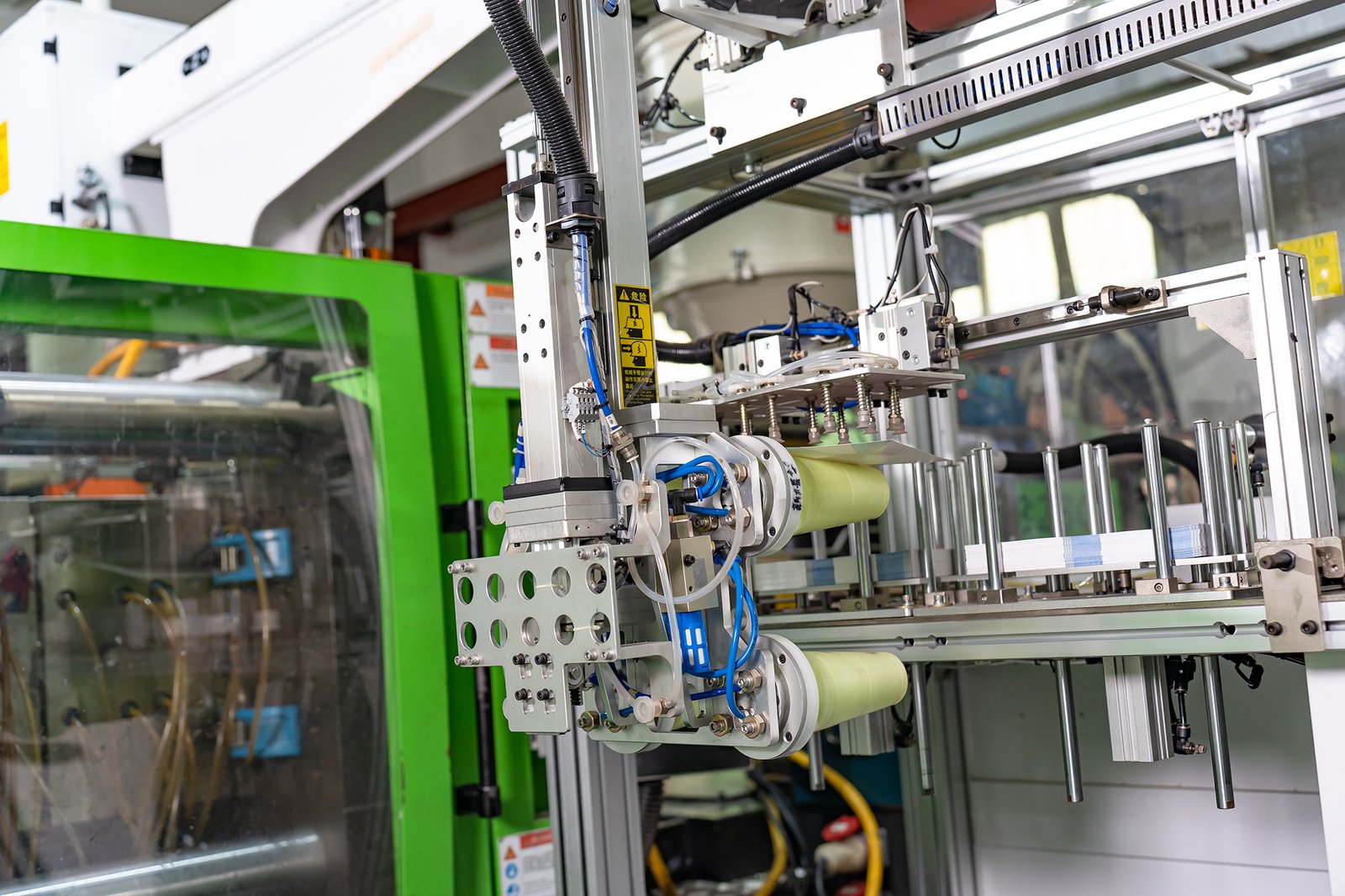
Professional manufacturers evaluate:
Material compatibility
Heat transfer behavior
Ink performance
Safety and compliance
Looking for the Right Color Changing Cup Type?
If you are sourcing:
Custom designs by material
Wholesale manufacturing solutions
Contact us to discuss your project requirements.
We help global buyers select the right cup structure for their market.
