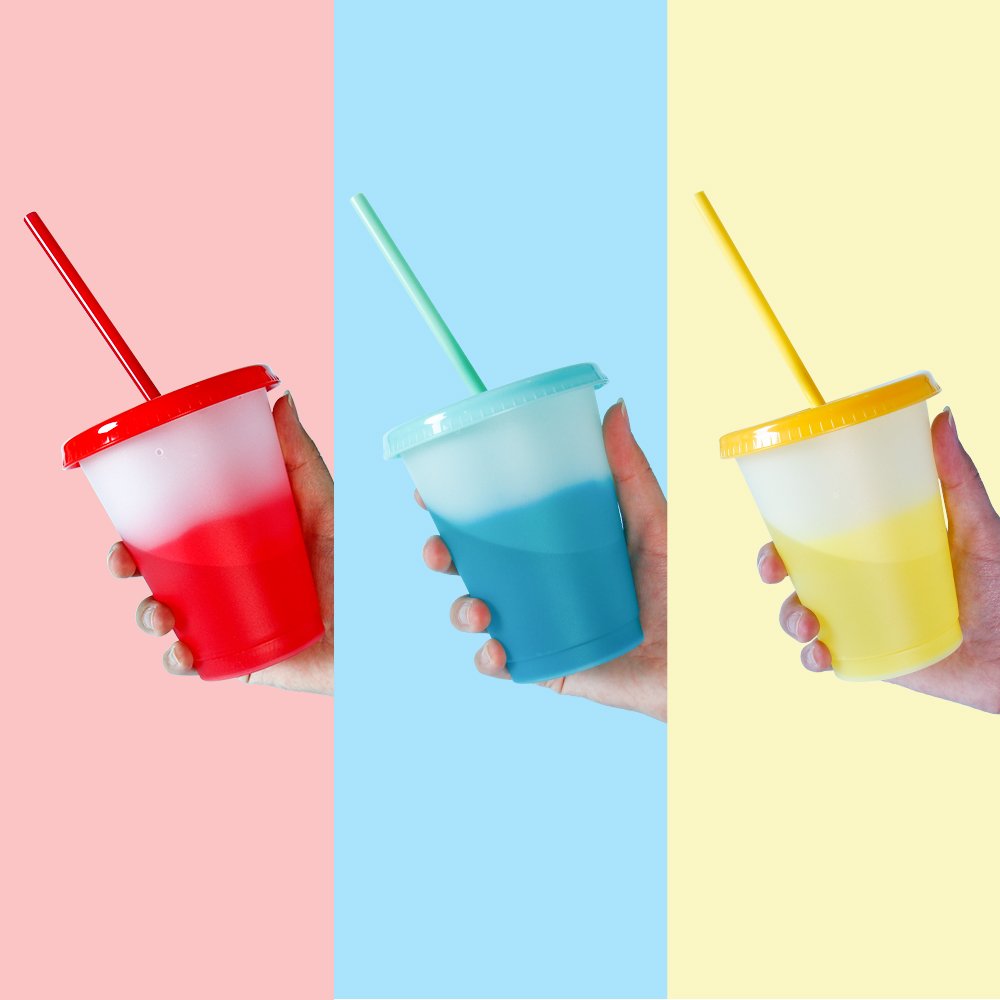
When sourcing color changing cups, one of the most important decisions for B2B buyers is choosing the right material.
Ceramic, glass, and plastic color changing cups all look similar at first glance, but they perform very differently in terms of durability, cost, safety, and user experience.
As a professional color changing cup manufacturer, we will compare these three materials from a factory and OEM perspective to help you make the right decision.
1. Why Material Choice Matters in Color Changing Cups
Material affects:
Heat transfer behavior
Color changing performance
Product lifespan
Safety compliance
Production cost
For brands and wholesalers, choosing the wrong material can lead to:
Customer complaints
Short product lifespan
Higher after-sales risk
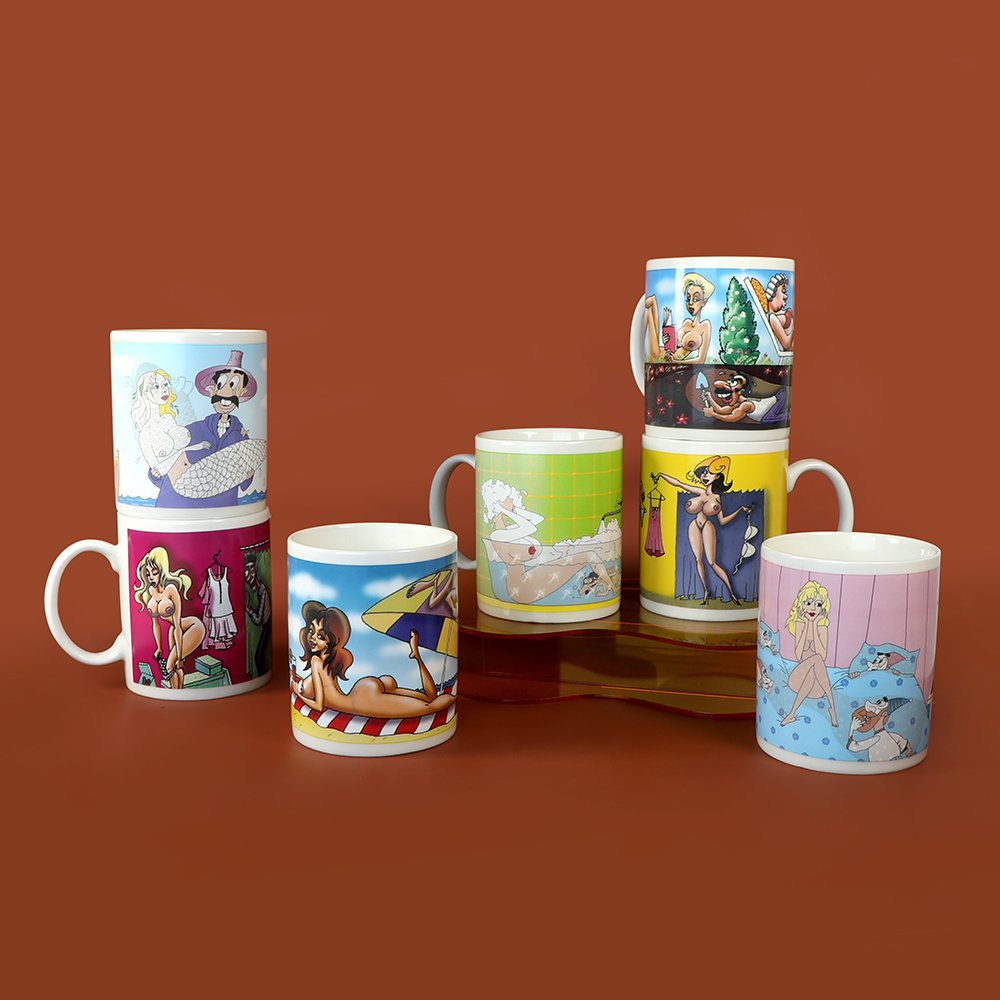
2. Ceramic Color Changing Cups
Ceramic is the most widely used and reliable material for color changing mugs.
Key Advantages:
Excellent heat resistance
Smooth and even color transition
Long lifespan (2–3 years typical)
Best compatibility with thermochromic ink
Typical Applications:
Coffee mugs
Office drinkware
Retail gift products
Manufacturer’s View:
Ceramic provides stable heat distribution, which minimizes stress on the color changing layer.
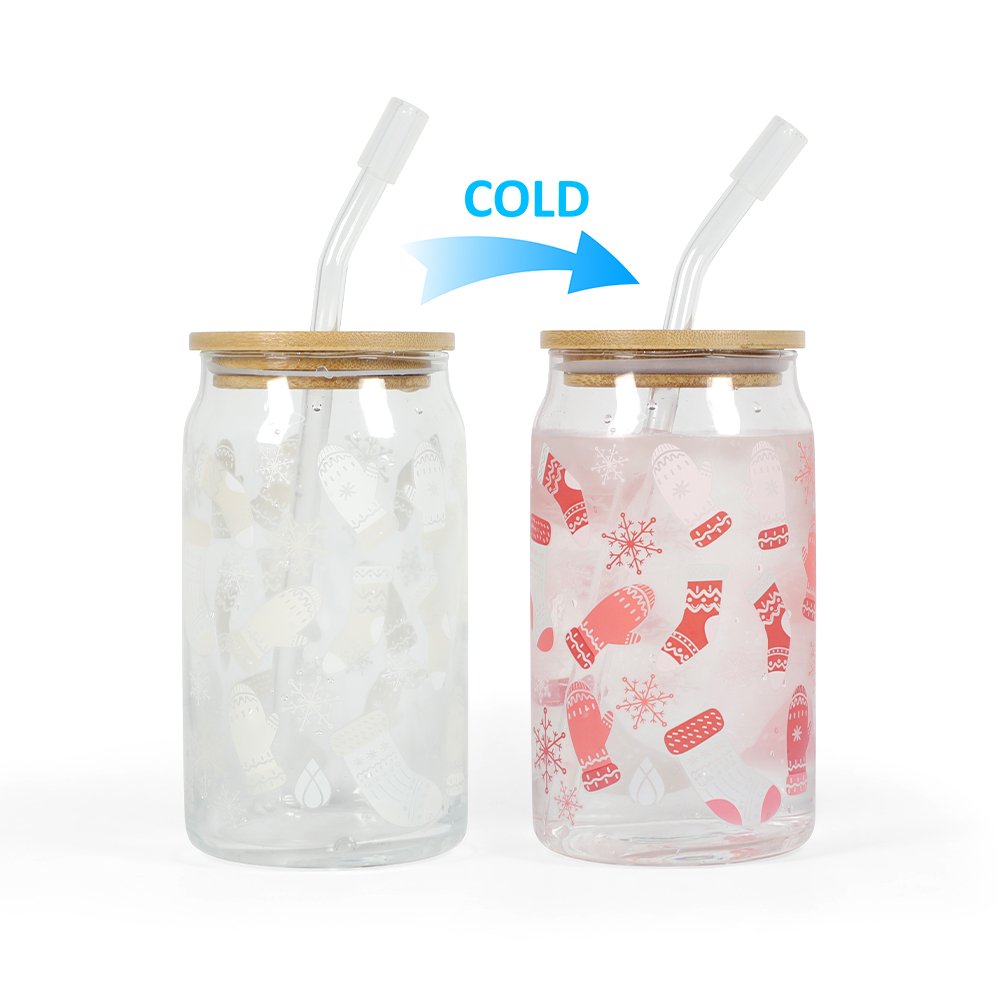
Glass color changing cups offer a premium, modern appearance.
Key Advantages:
Faster visual color change
High-end transparency or frosted effects
Strong visual impact
Limitations:
Requires heat-resistant glass
More sensitive to temperature shock
Higher breakage risk during shipping
Typical Applications:
Premium gift sets
Tea and beverage cups
Display-oriented products
4. Plastic Color Changing Cups
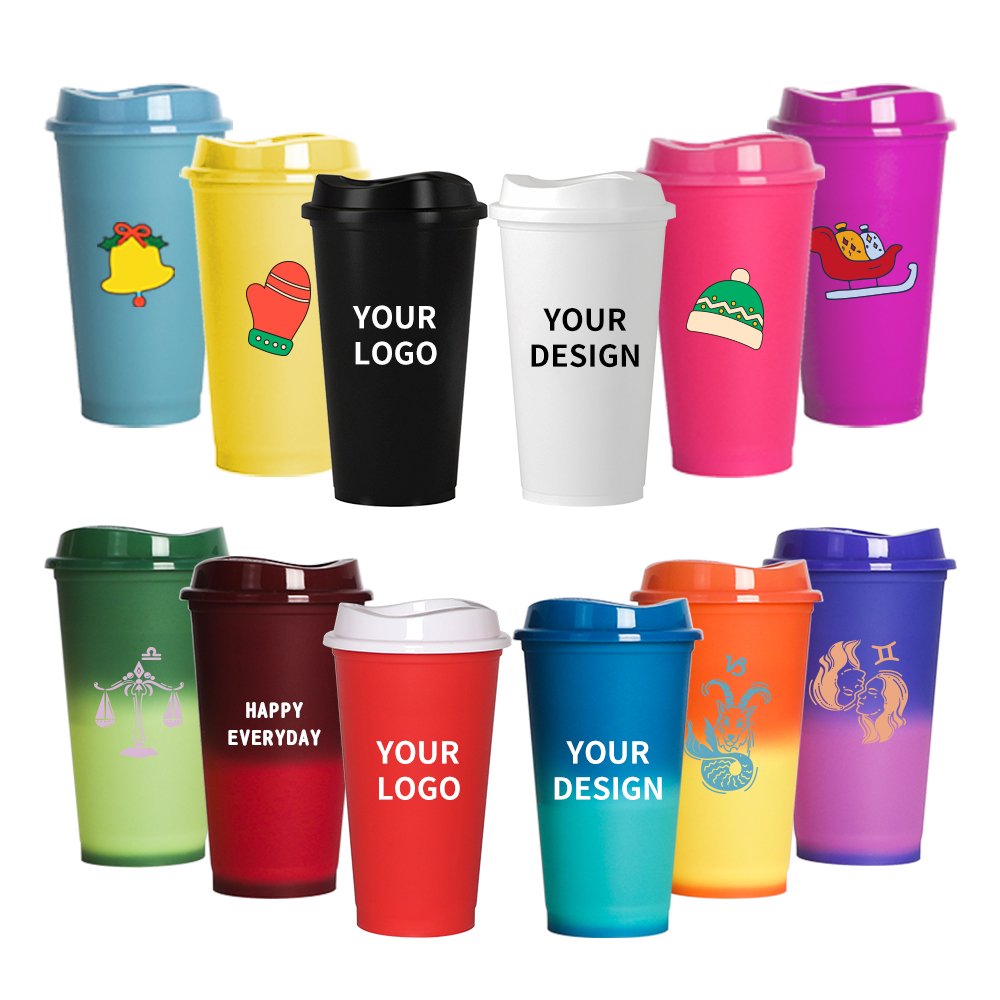
Plastic cups are popular for high-volume promotional projects.
Key Advantages:
Lightweight
Cost-effective
High customization flexibility
Limitations:
Shorter lifespan compared to ceramic
Less heat resistance
Not suitable for boiling liquids
Typical Applications:
Events and festivals
Campaign giveaways
Outdoor promotions
5. Color Changing Performance Comparison
| Feature | Ceramic | Glass | Plastic |
|---|---|---|---|
| Heat Resistance | ⭐⭐⭐⭐⭐ | ⭐⭐⭐⭐ | ⭐⭐ |
| Color Stability | ⭐⭐⭐⭐⭐ | ⭐⭐⭐⭐ | ⭐⭐⭐ |
| Lifespan | Long | Medium | Short |
| Cost Level | Medium | Medium–High | Low |
| OEM Flexibility | High | Medium | Very High |
6. Safety & Compliance Differences
From a manufacturer’s standpoint:
Ceramic & glass are best for hot drinks
Plastic is suitable for warm or medium-hot beverages
Color changing ink is applied externally, regardless of material
Professional factories can provide:
FDA-compliant ceramic & plastic
LFGB-compliant ceramic & glass
7. Which Material Is Best for Your Market?
Choose Ceramic if:
You sell to coffee or tea drinkers
You want long-term retail stability
You care about durability and quality perception
Choose Glass if:
You target premium or gift markets
Visual impact is a priority
Usage conditions are controlled
Choose Plastic if:
You focus on promotions or events
Price and volume matter most
The product lifecycle is short
8. Manufacturer’s Recommendation
There is no “best” material for all cases — the best material depends on your brand positioning, usage scenario, and budget.
However, for most B2B buyers:
Ceramic offers the best balance
Plastic offers the best cost efficiency
Glass offers the best visual premium
9. Final Thoughts
Understanding the differences between ceramic, glass, and plastic color changing cups helps buyers:
Avoid mismatched products
Improve customer satisfaction
Reduce quality complaints
A professional manufacturer will always recommend material based on application, not just price.
Need Help Choosing the Right Material?
If you are sourcing:
OEM color changing cups
Custom designs by material
Wholesale manufacturing solutions
Contact us to discuss your market needs.
We help global brands select the right material for long-term success.