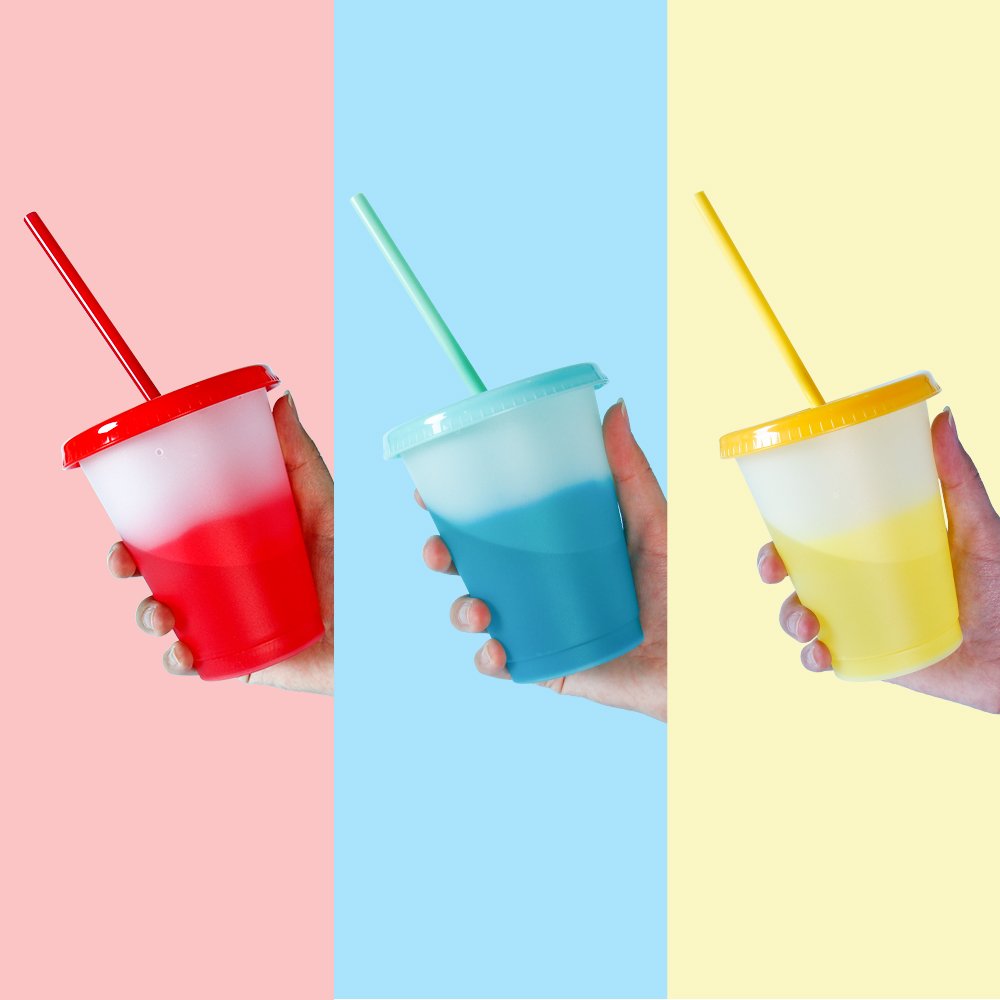
OEM color changing cups are not off-the-shelf products.They require technical coordination, material selection, quality control, and clear communication between buyer and manufacturer.
As a professional color changing cup manufacturer, this article explains the complete OEM workflow, step by step, from concept to delivery.
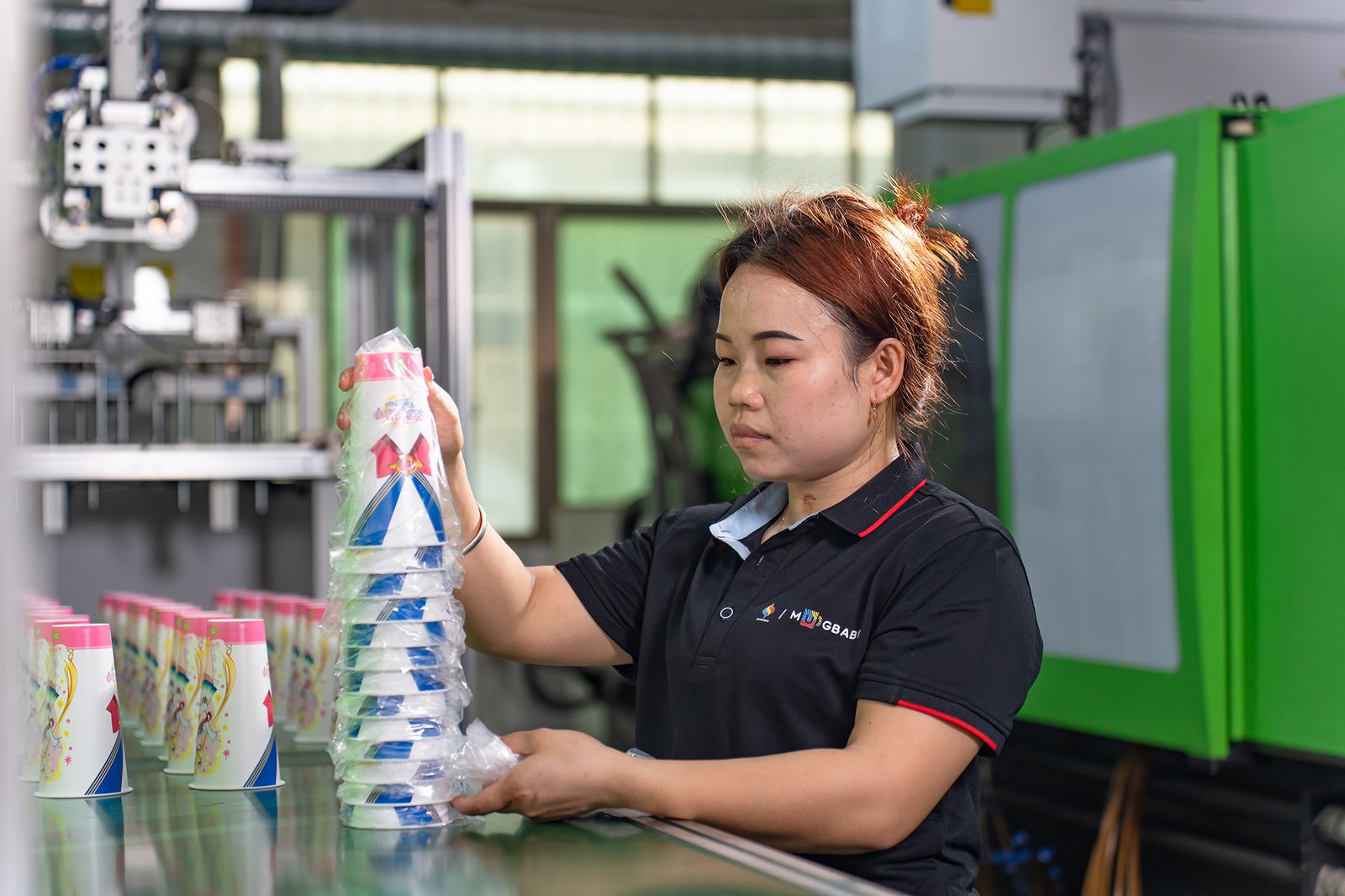
1. What Does OEM Mean for Color Changing Cups?
In OEM projects, the manufacturer produces cups based on:
Buyer’s brand
Custom design
Specific performance requirements
OEM for color changing cups typically includes:
Custom appearance
Custom printing or hidden designs
Custom packaging
Optional activation temperature control
2. Step 1: Project Requirement Confirmation
The OEM process starts with clear requirements, not pricing.
Buyers should confirm:
Target market (retail, promotion, gift)
Cup material (ceramic, glass, plastic, metal)
Capacity and structure
Usage scenario (daily use or short-term campaign)
Clear requirements help manufacturers recommend the right technical solution.

3. Step 2: Design & Artwork Evaluation
For color changing cups, artwork must be evaluated from both:
Visual design perspective
Technical feasibility perspective
Manufacturers check:
Logo placement
Color contrast in hot & cold states
Suitability for color changing areas
Some designs may need adjustment to ensure visibility after activation.
This is a critical OEM step.4. Step 3: Color Changing Effect Planning
Manufacturers confirm:
Color changing type (reveal / color shift)
Activation temperature range
Size of reactive area
From a factory perspective:
Overly sensitive effects look impressive at first, but reduce lifespan.
This step balances visual impact and durability.
5. Step 4: Material & Structure Selection
OEM buyers choose from:
Ceramic mugs
Glass cups
Plastic tumblers
Cups with lids or straws
Manufacturers evaluate:
Heat transfer behavior
Ink compatibility
Safety requirements
This avoids structural designs that harm color performance.
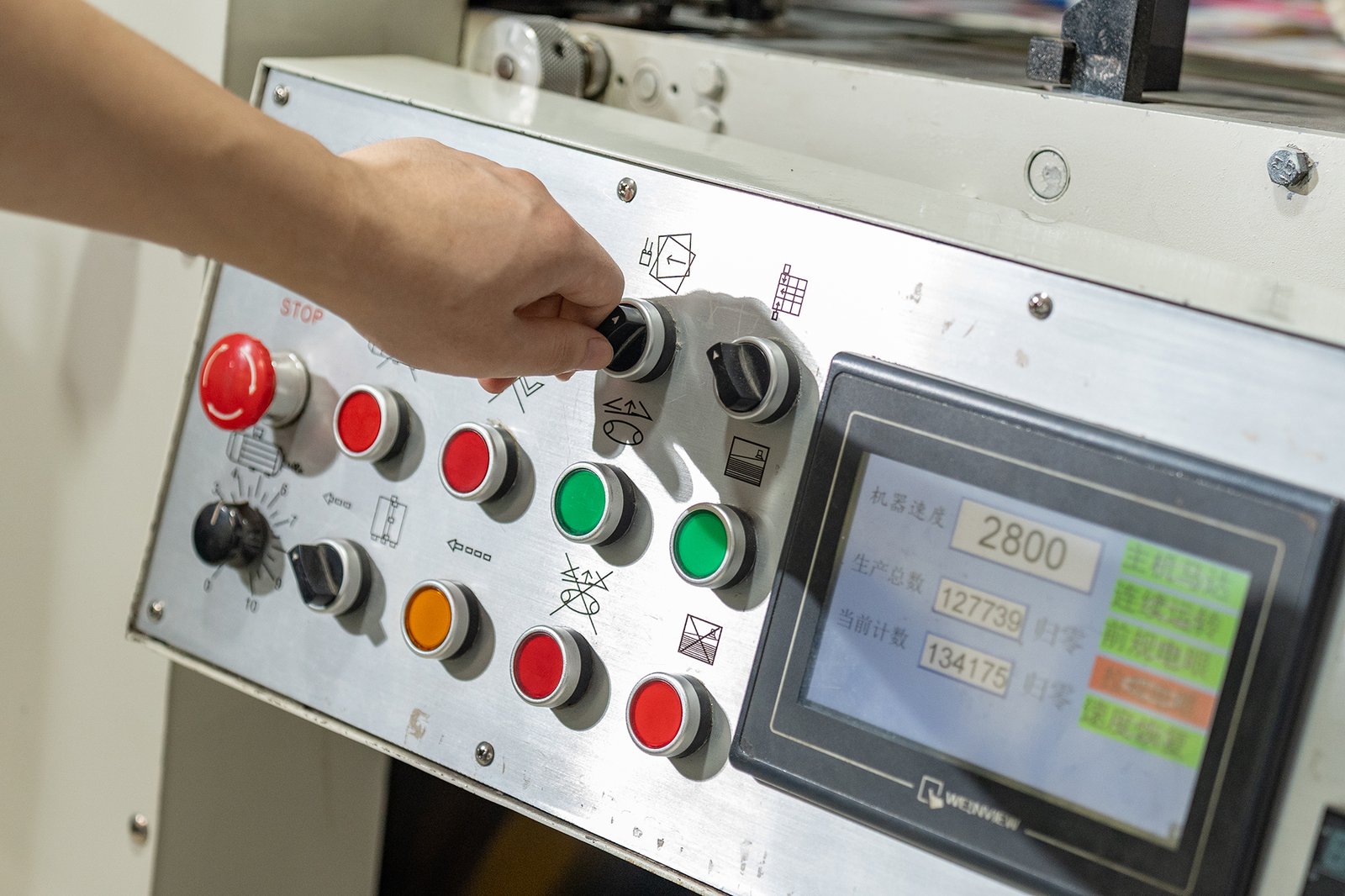
6. Step 5: Sampling & Pre-Production Approval
Sampling is where OEM projects succeed or fail.
During sampling, manufacturers test:
Color change clarity
Reaction speed
Logo visibility
Surface durability
Buyers should evaluate samples in:
Hot state
Cold state
Repeated use scenarios
Only approved samples move to mass production.
7. Step 6: Quotation, MOQ & Lead Time
OEM pricing depends on:
Material
Printing method
Color changing complexity
Order quantity
Professional factories provide:
Transparent cost structure
Reasonable MOQ
Stable lead time
Unrealistically low prices often mean hidden quality risks.
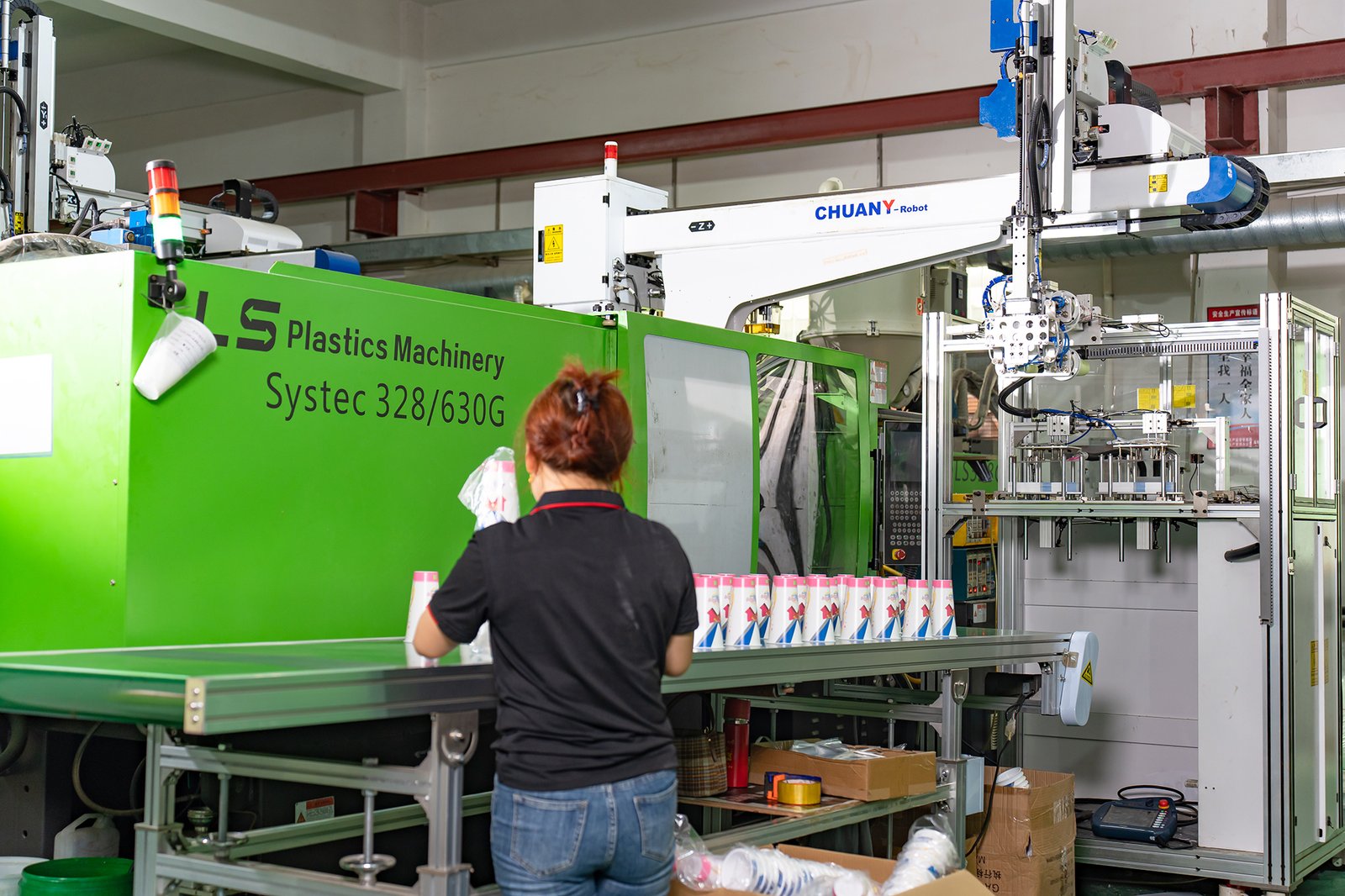
8. Step 7: Mass Production & Quality Control
During mass production, manufacturers control:
Ink consistency
Coating thickness
Curing conditions
Quality checks include:
Random sampling
Activation testing
Visual consistency checks
This ensures batch-to-batch stability.
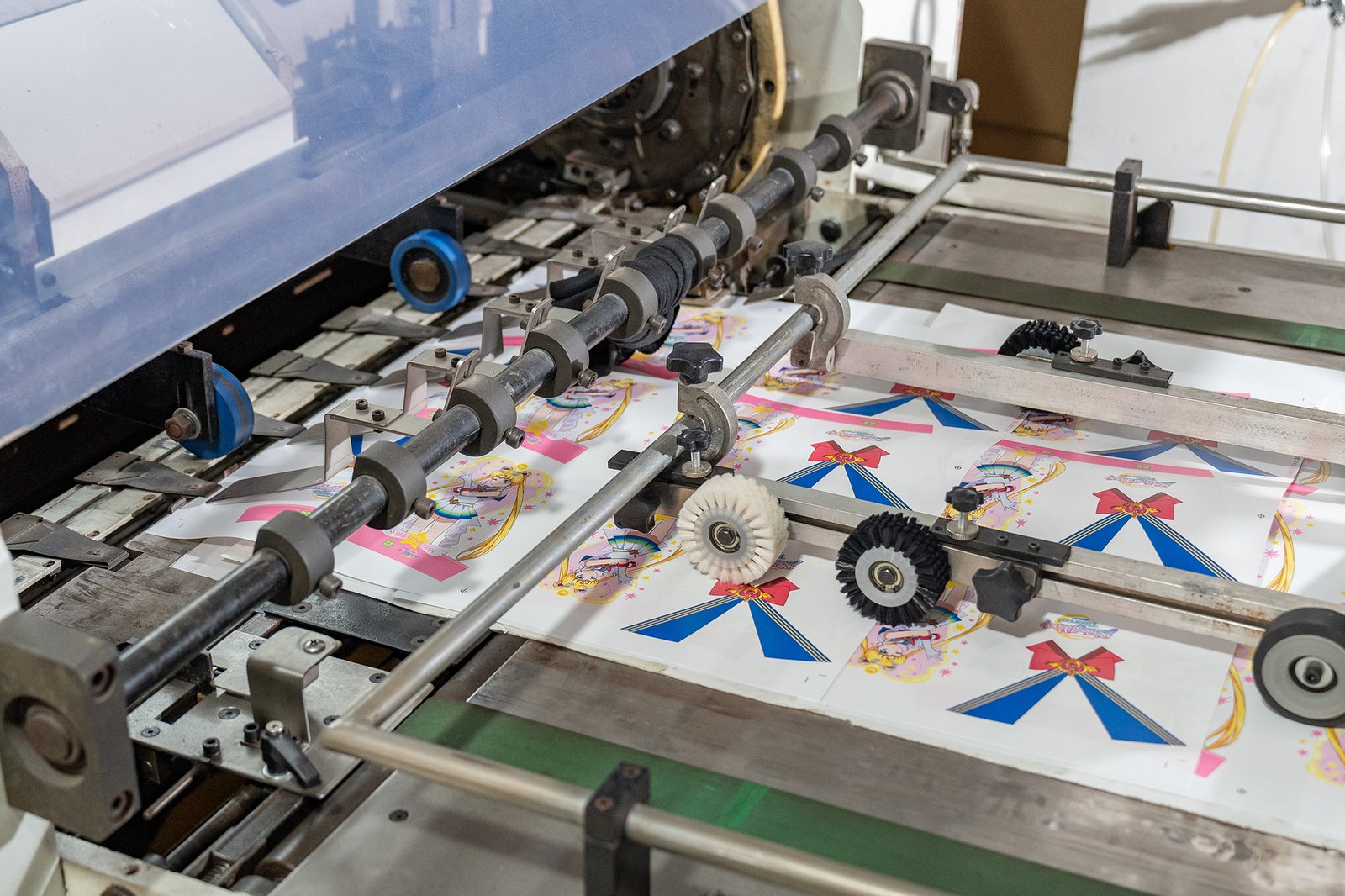
9. Step 8: Packaging & Branding
OEM projects often include custom packaging such as:
Individual color boxes
Brand gift packaging
Bulk cartons with brand labels
Packaging is aligned with:
Brand positioning
Distribution channel
Shipping method
10. Step 9: Final Inspection & Shipping
Before shipment, factories usually perform:
Final appearance inspection
Function testing
Quantity verification
Proper inspection reduces:
Returns
Claims
Delivery disputes
11. Common OEM Mistakes Buyers Should Avoid
Rushing sampling stage
Focusing only on price
Ignoring usage conditions
Requesting unrealistic performance
OEM success depends on realistic expectations and cooperation.
12. Timeline Overview for OEM Color Changing Cups
| Stage | Typical Time |
|---|---|
| Requirement confirmation | 1–3 days |
| Design evaluation | 2–5 days |
| Sampling | 7–15 days |
| Mass production | 20–35 days |
| Packaging & shipping | Varies |
13. Final Words from the Manufacturer
OEM color changing cups are successful when buyers and manufacturers work as partners, not just as buyer and seller.
A clear process leads to:
Better product quality
Fewer issues
Stronger long-term cooperation
Looking for OEM Color Changing Cup Manufacturing?
If you need:
Custom designs & private label
Factory-direct production
Contact us to discuss your OEM project.
We support global brands, wholesalers, and promotional companies with professional manufacturing solutions.