
Color changing cups are designed to create a strong visual impact, but over time some buyers notice that the color-changing effect becomes weaker.
This leads to a common B2B question:
Why do color changing cups fade over time?
As a professional color changing cup manufacturer, we will explain the real reasons behind fading, what is considered normal, and how buyers can reduce fading risks through correct product specifications.
1. First: Is Fading a Defect?
Not always.
Color changing cups use thermochromic pigments, which are functional materials that naturally degrade gradually with repeated use.
From a manufacturing perspective:
Gradual fading is a normal aging process, not an immediate quality defect.
The key issue is how fast the fading happens.
2. The Nature of Thermochromic Pigments
Thermochromic pigments work through reversible molecular changes triggered by temperature.
Each heat cycle:
Alters the internal structure slightly
Causes minor molecular fatigue
Over time, these micro-level changes accumulate, leading to:
Reduced color contrast
Slower reaction speed
This is inherent to the technology, not a manufacturing mistake.
3. Repeated Heat Activation Is the Main Cause
Every time a hot drink is poured into the cup, the color changing layer is activated.
High-frequency use leads to:
Faster pigment fatigue
Accelerated color loss
Cups used daily will fade faster than:
Promotional mugs used occasionally
Display or gift items
This is why usage scenario matters in B2B projects.
4. Activation Temperature Settings Matter
Lower activation temperatures increase fading speed.
Why?
Lower thresholds cause more frequent activation
Even warm water can trigger the effect
Pigments stay in an “active” state longer
From a factory viewpoint:
Overly sensitive ink sacrifices lifespan for faster reaction.
That is why experienced manufacturers avoid extremely low activation settings.
5. Dishwashers: The Biggest Enemy
Dishwashers combine:
High heat
Strong detergents
Mechanical abrasion
Together, they:
Damage the protective coating
Break down pigment microcapsules
Accelerate fading dramatically
Many “quality complaints” are actually usage-related, not production defects.
6. UV Light and Sun Exposure
Long-term exposure to sunlight can:
Break down pigment stability
Cause uneven fading
Reduce contrast
This is especially relevant for:
Plastic color changing cups
Outdoor promotional use
UV resistance varies by ink formulation and coating quality.
7. Ink Layer Thickness and Protection
Ink that is:
Too thin → fades quickly
Too thick → reacts slowly
Professional factories balance:
Visual effect
Durability
Wash resistance
A proper protective topcoat significantly slows fading.
8. Cup Material Influences Fading Speed
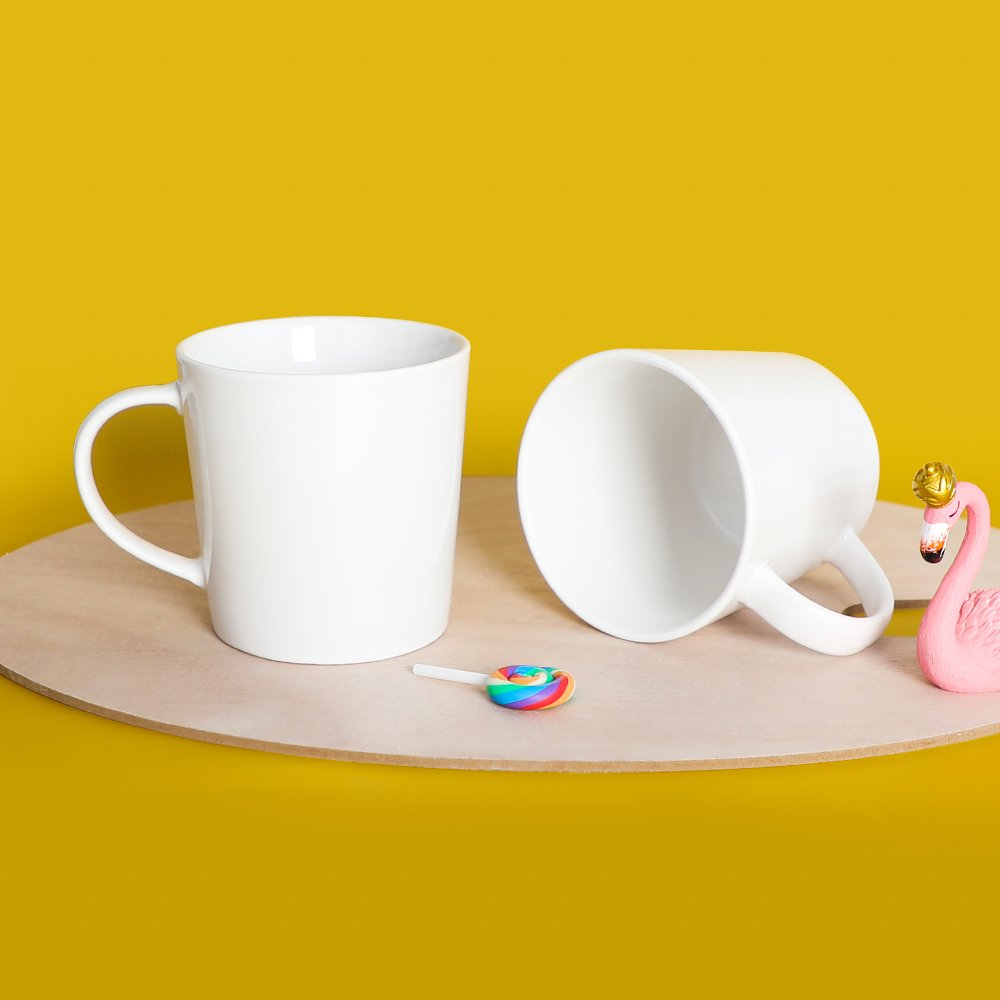
Different materials transfer heat differently:
Ceramic: slow, even heat → slower fading
Glass: faster heat transfer → moderate fading
Plastic: quick temperature change → faster fading
This is why ceramic color changing mugs usually last longer.
9. Common Buyer Misunderstandings
“Fading means the product is fake”
Incorrect — fading happens even with high-quality ink.
“All fading is caused by poor factories”
Not true — usage conditions play a major role.
“Higher temperature means better durability”
Wrong — extreme heat accelerates degradation.
10. How Manufacturers Reduce Fading
Professional manufacturers take multiple measures:
Use stable thermochromic pigments
Optimize activation temperature
Apply protective coatings
Control curing processes
Conduct cycle testing
These steps slow fading, but cannot eliminate it completely.
11. What Buyers Can Do to Minimize Fading
For B2B buyers and brands, fading risk can be reduced by:
Choosing ceramic over plastic
Avoiding ultra-low activation temperatures
Providing clear usage instructions
Avoiding dishwasher-safe claims
Correct expectation management reduces after-sales issues.
12. Is Fading Avoidable?
Fading is inevitable over a long period, but it can be controlled.
With proper manufacturing and reasonable usage:
Color changing cups remain effective for 1–3 years
Fading is gradual, not sudden
13. Final Words from the Manufacturer
Understanding why color changing cups fade helps buyers:
Choose realistic specifications
Avoid unnecessary disputes
Build better long-term products
A reliable manufacturer focuses on controlled aging, not unrealistic promises.
Need Long-Lasting Color Changing Cups?
If you are sourcing:
Stable thermochromic ink solutions
Factory-direct quality control
Contact us to discuss your project requirements.
We help B2B buyers reduce fading risks through proper design and manufacturing.
