
I see many buyers lose time when a simple cup project becomes a color changing problem. The risk looks small, but the failure can be expensive.
A professional color changing cup factory controls pigments, cup materials, temperature points, printing methods, and mass production. I do not only make cups. I match color changing effects with the right material, season, market, design, and cost target.
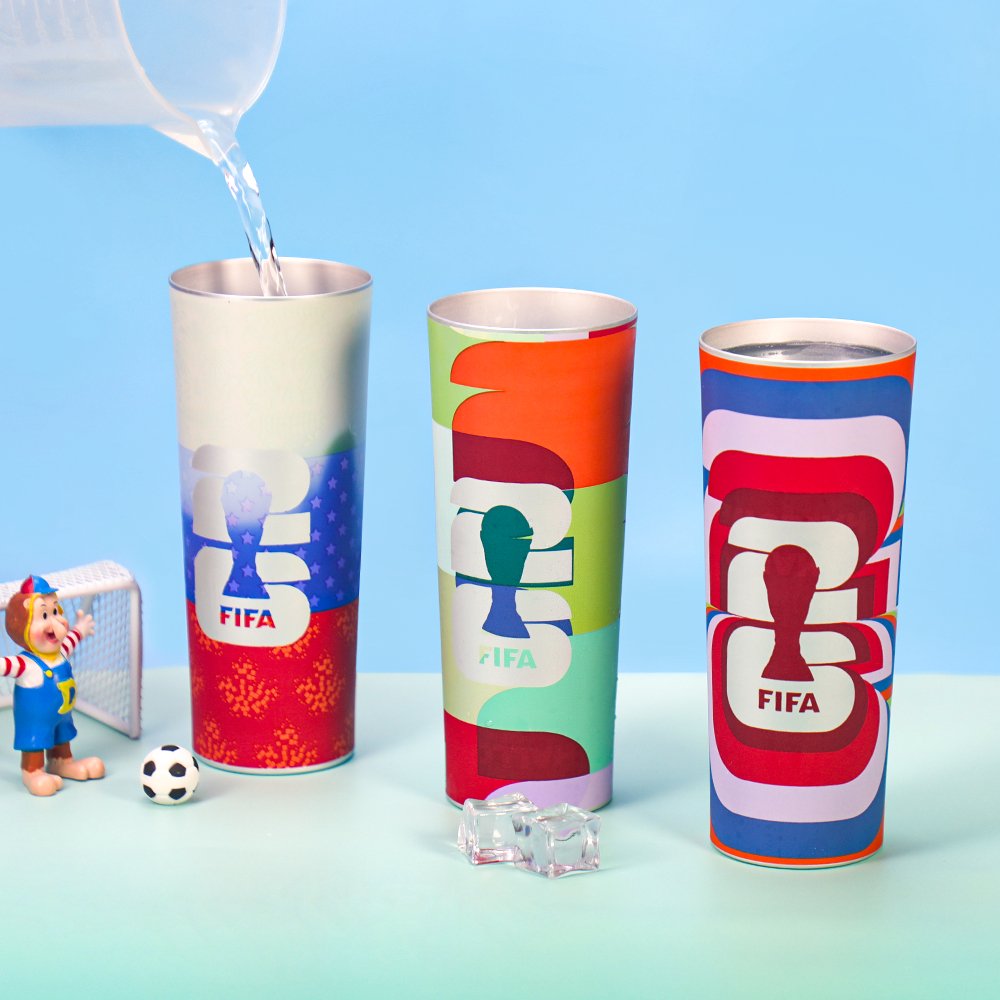
Many buyers first ask a normal cup factory for help. I understand this choice. It feels safe because a normal cup factory already makes plastic cups, glass cups, ceramic mugs, or stainless steel tumblers. But a color changing cup is not only a normal cup with a special powder added. It is a small and special product category. It has its own material logic, cost logic, printing logic, and failure points. I have seen projects look easy at the sample stage and then become unstable during bulk production. If you are sourcing color changing cups now, I want you to know where the real difference is, so you can judge a factory before you place an order.
Why Is a Color Changing Cup Factory Different From a Traditional Cup Factory?
I often see buyers ask a traditional cup factory to “find color changing material.” This sounds simple, but it can make the project costly and unstable.
A color changing cup factory is different because I already understand pigments, temperature points, printing limits, and bulk production risks. A traditional cup factory may only understand cup shape and basic production, so it may depend on outside suppliers for the most important parts.
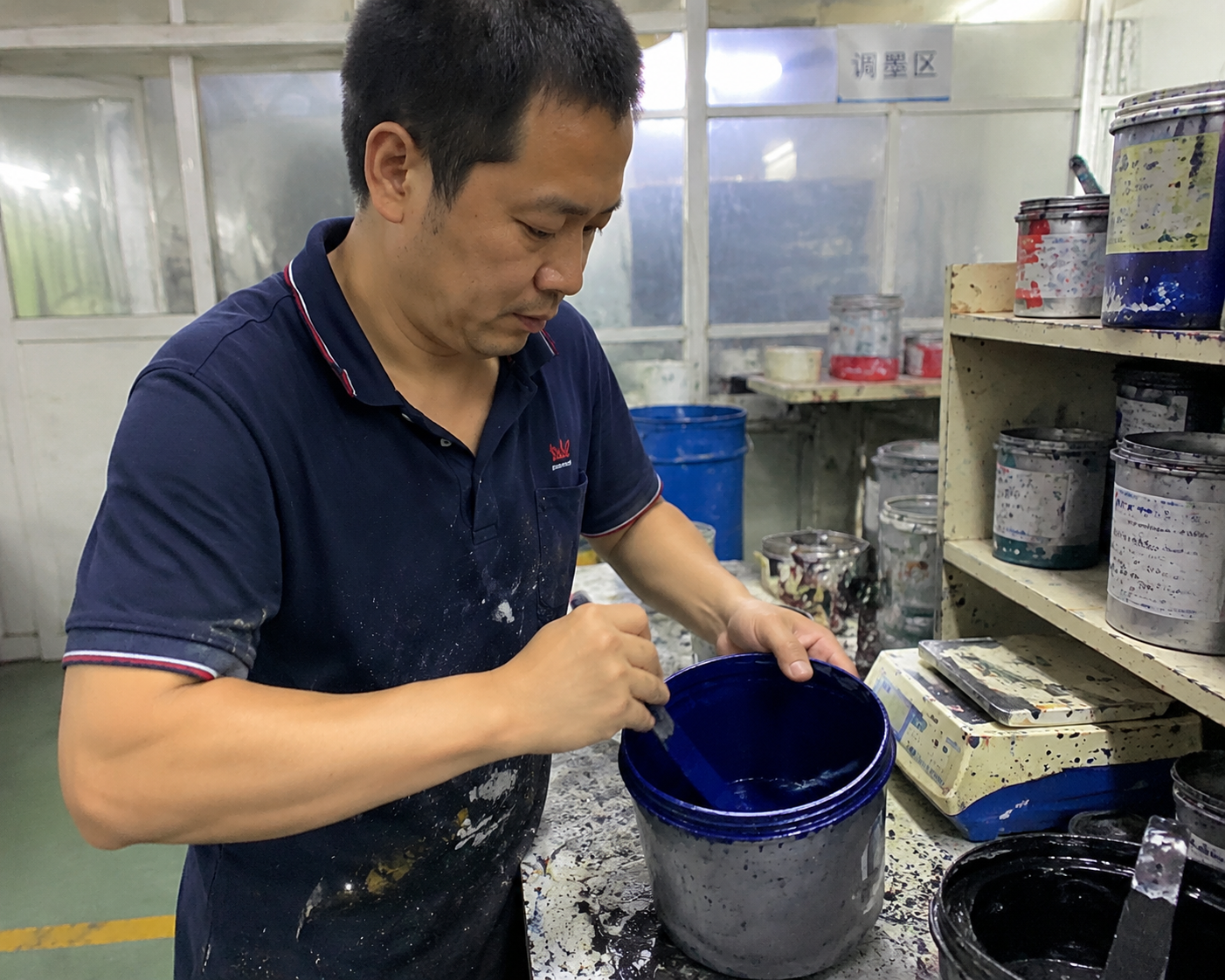
I do not treat color change as an add-on
A traditional cup factory may see color changing technology as a new effect. I see it as a full production system. The cup body, pigment, ink, coating, printing process, drying time, packing method, and use condition all affect the final result. If one part is wrong, the color effect may become weak, uneven, delayed, or unstable.
| Part of the project | Traditional cup factory may focus on | I must also control |
|---|---|---|
| Cup body | Shape, size, mold, material | Color response, surface fit, heat or cold contact |
| Pigment | Purchase from outside | Type, stock, stability, cost, temperature point |
| Printing | Basic logo printing | Thickness, ink match, color cover, color change effect |
| Sampling | Make one sample | Test repeat use, wash effect, season fit |
| Bulk order | Produce same cup | Keep color effect stable across batches |
I have seen the cost trap
I once saw a buyer receive a high price because the factory bought a small amount of color changing pigment just for that order. The factory added all pigment cost into one project. The buyer thought color changing cups were always expensive. In fact, the factory did not have a color changing supply base. A professional factory should not make every buyer pay for basic learning and trial cost.
I check more than the cup shape
When I start a color changing cup project, I ask about the market, use scene, liquid temperature, season, design size, order quantity, and target price. I ask these questions because I need to protect the project from hidden problems. A normal cup factory may only ask for size, material, logo, and quantity. That is not enough for this product.
Why Does Pigment Supply Decide Cost And Stability?
I see pigment cost surprise many buyers. The powder looks like a small material, but it can decide the full project price and quality.
Color changing pigment supply matters because the pigment is expensive, sensitive, and type-specific. A professional factory keeps common colors in stock, uses mature formulas, controls waste, and avoids charging one buyer for all trial and purchasing costs.
I know pigment is not a normal colorant
Color changing pigment is much more expensive than normal pigment. In many cases, it can cost around 2000 RMB per kilogram, and some special types cost more. If a factory does not use this pigment often, it may buy a small batch at a high price. Then it may add the full cost to your order. This creates a price that is hard for you to accept and hard for you to sell.
| Cost factor | Risk with a non-specialized factory | My control method |
|---|---|---|
| Small pigment purchase | High unit cost | I keep regular colors and common types |
| Trial formula | Many failed tests | I use proven color recipes |
| Color waste | Powder loss during mixing | I control mixing and production flow |
| Supplier choice | Unstable source | I work with known pigment suppliers |
| Batch difference | Color effect changes | I test pigment before production |
I keep common colors ready
A professional color changing cup factory should not start from zero for every order. I should already have many long-term pigment colors and effects. This includes common cold changing colors, heat changing colors, UV changing colors, and glow effects. I should know which colors are stable, which colors are sensitive, and which colors need special care.
I control color matching before mass production
Color changing color matching is not only about the final visible color. I need to check the original color, changed color, transition speed, temperature response, and coverage. A light color may need one printing method. A dark color may need another method. A plastic cup may show color differently from a glass cup. A ceramic mug may need a different coating or printing structure. If the factory has no real stock and no real experience, the sample may be random. The bulk order may not match the sample.
Why Does Temperature Experience Matter So Much?
I often hear buyers say, “I want a cold changing cup.” But cold changing can mean many different things, and the wrong choice can ruin the effect.
Temperature experience matters because cold change, heat change, UV change, and glow effects have different use conditions. Even cold changing pigments can react at 5°C, 18°C, or 22°C, so the factory must match the effect with the market and cup material.
I choose the temperature point for the real user
Cold changing pigment is not one single material. Some pigments change near 18°C. Some change near 22°C. Some change near 5°C. These numbers matter. A 22°C cold changing cup may react in a warm indoor room if the environment is cool enough. A 5°C cold changing cup may need ice water. A cup sold in a hot region may need a different choice from a cup sold in a cold region.
| Temperature type | Common use | Possible mistake |
|---|---|---|
| 5°C cold change | Ice water, strong cold effect | Effect may not show with normal cool drinks |
| 18°C cold change | Many drink scenes | Effect may vary by room temperature |
| 22°C cold change | Easier reaction | Cup may change before use in cooler areas |
| Heat change | Hot water or hot coffee | Not suitable for cold drink promotions |
| UV change | Sunlight exposure | Indoor effect may be weak |
| Glow effect | Dark room after light charge | Buyer may expect daylight color change |
I match pigment with material
Different cup materials transfer heat and cold in different ways. Plastic, glass, ceramic, stainless steel, and aluminum do not behave the same. A plastic cup wall may respond fast in one design and slow in another. A glass cup can look clear and attractive, but the printing or coating must be suitable. A stainless steel tumbler may need a different structure because the surface and insulation affect temperature transfer.
I think about season and country
I do not judge the effect only inside my sample room. I ask where the product will be sold. A summer promotion in the United States may need one cold changing effect. A winter retail product in Europe may need another. A product used near beaches may suit UV changing. A children’s party cup may need a stronger and faster visible reaction. If a factory does not ask these questions, it may choose the pigment only by guess. That is risky.
Why Does Printing Process Knowledge Change The Result?
I see many buyers care about the artwork, but the printing method can decide if the artwork works on a color changing cup.
Printing knowledge matters because each process has different thickness, cost, color coverage, and production speed. I must choose between silk screen printing, offset printing, water transfer printing, in-mold labeling, or other methods based on the design and effect.
I do not use one printing method for all designs
Color changing cups can use many printing methods. The common methods include silk screen printing, offset printing, water transfer printing, heat transfer, and in-mold labeling. Each method has its own strong point. Each method also has limits. If the factory chooses the wrong method, the color changing layer may be too thin, too expensive, too slow, or hard to control.
| Printing method | Good point | Possible problem |
|---|---|---|
| Silk screen printing | Strong color and good thickness | Cost can be high for complex designs |
| Offset printing | Good for repeated patterns | Layer may be too thin for some effects |
| Water transfer printing | Good for full wrap or special shapes | Process control is important |
| In-mold labeling | Clean and stable for some plastic cups | Mold and order quantity must fit |
| Heat transfer | Good for some surface designs | Not always best for color changing layers |
I balance effect and cost
A buyer may want a full-color design with a strong color changing effect and a low price. I understand this need. But I must explain what can be done. If I use gravure or offset printing for a certain color changing layer, the layer may be too thin. The effect may not be strong. If I use silk screen printing, the effect may be strong, but the cost may be too high. Then the buyer may lose the order because the final price cannot compete.
I protect the order before production starts
A professional factory should help the buyer choose the right process before sample approval. I should not only say yes. I should check artwork details, printing area, cup curve, color change target, logo position, and packing needs. A small artwork change can reduce cost. A different printing method can improve stability. I have learned that honest advice before production is cheaper than fixing problems after shipment.
How Can I Tell If A Factory Has Real Color Changing Experience?
I know buyers cannot stand inside the factory every day. So I use simple checks to see if a factory really understands color changing cups.
You can judge a color changing cup factory by asking about pigment stock, temperature points, material choice, printing process, sample testing, and past project cases. A real factory can answer clearly and give practical suggestions, not only low prices.
I ask direct questions first
When I speak with a supplier, I do not only ask for price. I ask what pigment type they will use. I ask what temperature point they recommend. I ask why that point fits my market. I ask which printing process they suggest. I ask if they have made a similar cup before. A professional factory should answer these questions with clear reasons.
| Question I ask | Good sign | Warning sign |
|---|---|---|
| What pigment do you use? | The factory explains type and effect | The factory only says “color changing powder” |
| What temperature point fits this market? | The factory gives a clear suggestion | The factory does not know the difference |
| Which printing method is better? | The factory compares cost and effect | The factory says any method is fine |
| Do you keep pigment in stock? | The factory has regular colors | The factory must buy everything new |
| Can you test the sample? | The factory shows a test method | The factory only sends photos |
I look for one-stop control
A professional factory does not need to do every small part by itself, but it should control the full project. In my factory, I value design support, R&D, printing, injection, packing, and shipment coordination. This one-stop ability reduces communication gaps. It also helps me solve problems faster. If the pigment supplier, printer, cup factory, and packer all work separately, nobody may take full responsibility when the color effect has a problem.
I compare advice, not only price
The lowest quote is not always the lowest real cost. A cheap sample can become an expensive failed shipment. A professional factory may ask more questions at the beginning. That may feel slower, but it usually protects the buyer. I prefer to explain the risk before the order, because I want the buyer to sell the product with confidence.
What Should A Professional Color Changing Cup Factory Provide Before Mass Production?
I believe the safest project starts before the machine runs. If the factory skips preparation, the buyer carries the risk later.
Before mass production, a professional factory should provide material advice, pigment selection, printing process advice, sample testing, cost control, and clear production standards. These steps help the final cups match the approved sample and target market.
I confirm the use scene
I first need to know how the cup will be used. Will the user pour ice water, hot coffee, beer, soda, or plain water? Will the cup be used indoors or outdoors? Will the user expect a fast change or a slow surprise effect? These questions decide the material and pigment. A party cup, a retail tumbler, and a brand promotion mug may need very different plans.
| Preparation step | What I check | Why it matters |
|---|---|---|
| Use scene | Drink type and temperature | It decides the color changing effect |
| Market | Country, season, climate | It affects real user experience |
| Material | Plastic, glass, ceramic, metal | It affects heat transfer and printing |
| Artwork | Size, color, position | It affects printing process and cost |
| Testing | Sample response and repeat use | It reduces bulk production risk |
I test the sample under real conditions
A sample should not only look good in a photo. I need to test it with the right water temperature, room temperature, light condition, and use method. For UV changing cups, I need sunlight or UV light. For glow cups, I need light charging and dark room checking. For cold changing cups, I need the right cold liquid. If a factory only shows a perfect photo, I still need to ask how the effect was tested.
I set clear standards for bulk production
Mass production needs a standard. I need a confirmed sample, color range, printing position range, packing method, and inspection method. Color changing effects can have small natural differences, so the buyer and factory should agree on what is acceptable. This protects both sides. It also makes inspection easier. A professional factory should be willing to define these points before production, not after a problem appears.
Conclusion
I choose a professional color changing cup factory for pigment control, temperature knowledge, printing skill, and stable mass production.
